What is Oligohydramnios?
Oligohydramnios means there is less amniotic fluid than normal during pregnancy. Amniotic fluid surrounds the baby in the womb. It helps protect the baby and supports healthy growth. When this fluid is low, it can cause pregnancy complications. Doctors use the term “oligohydramnios” to describe this condition. Early detection is important for the health of both mother and baby.
Common Symptoms and Signs
Often, oligohydramnios does not cause clear symptoms. However, some women may notice changes. For example, your doctor may notice:
Sometimes, there are no obvious signs. Therefore, regular check-ups are important during pregnancy.
Causes and Risk Factors
Many things can cause low amniotic fluid. Some common causes and risk factors include:
Because these risks vary, your doctor will check for them during prenatal visits.
How Oligohydramnios is Diagnosed
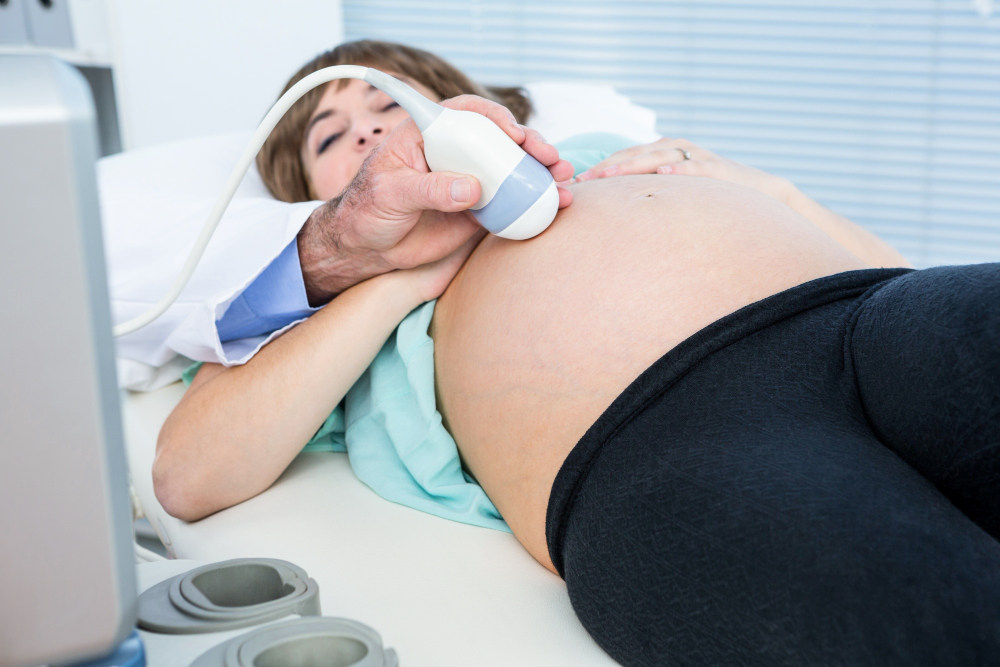
Doctors use several methods to diagnose oligohydramnios. First, they may notice a small belly size during a check-up. Next, they often use an ultrasound. This test measures the amount of amniotic fluid around the baby. The most common method is the amniotic fluid index (AFI). If the AFI is low, it suggests oligohydramnios. Sometimes, doctors use other tests to check the baby’s health. Early diagnosis helps guide the best care for mother and baby.
Treatment Options
Treatment for oligohydramnios depends on how far along the pregnancy is and the cause. Some common oligohydramnios treatments include:
Doctors will choose the safest option for both mother and baby. According to the CDC and WHO, regular prenatal care is key to managing pregnancy complications.
Lifestyle and Self-Care Tips
While you cannot always prevent oligohydramnios, you can take steps to support a healthy pregnancy. For example:
Additionally, let your doctor know about any changes in your baby’s movement or if you notice fluid leaking.
Prevention and When to Seek Help
Although not all cases can be prevented, regular check-ups help find problems early. To lower your risk:
If you notice less baby movement, leaking fluid, or have concerns, contact your healthcare provider. Early action can help protect you and your baby.
Consult a qualified obstetrician or gynecologist for personalized advice on oligohydramnios.