Introduction
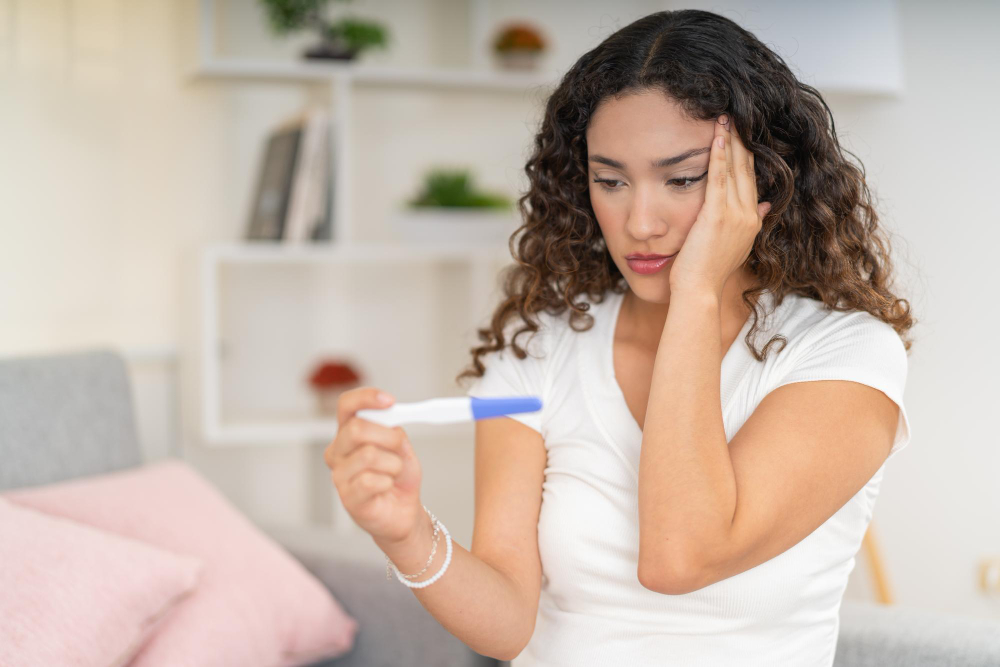
Female infertility means a woman has trouble getting pregnant after trying for a year or more. Many women face this challenge, and it can affect their lives deeply. The causes of female infertility are varied, but understanding them helps women make informed choices. In fact, infertility in women can be due to health, lifestyle, or environmental reasons. According to the World Health Organization (WHO), about 10% of women worldwide experience infertility at some point. This blog explains the main reasons for infertility and offers guidance on when to seek help.
Common Causes of Female Infertility
There are several reasons why a woman may have trouble getting pregnant. Some causes are medical, while others relate to daily habits or the environment. Below are the most common female infertility causes:
Hormonal and Ovulation Disorders
Many women struggle with ovulation problems. For example, if the ovaries do not release eggs regularly, pregnancy becomes difficult. Hormonal imbalance is a leading cause. Conditions like polycystic ovary syndrome (PCOS) can disrupt hormone levels. As a result, periods may become irregular or stop. Thyroid issues can also affect ovulation. In some cases, high levels of a hormone called prolactin can prevent ovulation. Because hormones control the menstrual cycle, any change can impact fertility.
Structural Problems
Sometimes, physical issues in the reproductive system cause infertility. Blocked fallopian tubes are a common reason. These tubes carry eggs from the ovaries to the uterus. If they are blocked, eggs and sperm cannot meet. Infections, past surgeries, or conditions like pelvic inflammatory disease can cause blockages. Uterine problems, such as fibroids or polyps, can also make it hard for a fertilized egg to attach and grow. In addition, some women have a cervix that does not allow sperm to pass easily.
Endometriosis and Other Medical Conditions
Endometriosis is a condition where tissue similar to the lining of the uterus grows outside it. This can cause pain and scarring. As a result, it may block the fallopian tubes or affect the ovaries. Other medical conditions, such as autoimmune diseases or diabetes, can also impact fertility. Sometimes, past infections or untreated sexually transmitted infections (STIs) can damage reproductive organs. Because these issues can be silent, regular check-ups are important.
Lifestyle and Environmental Factors
Besides medical causes, daily habits and surroundings play a role. For instance, smoking and heavy alcohol use lower fertility. Being overweight or underweight can also affect hormone balance. Stress may disrupt the menstrual cycle. Exposure to harmful chemicals, such as pesticides or industrial toxins, can harm reproductive health. In some areas, pollution or unsafe water may increase risk. Therefore, making healthy choices can improve fertility in women.
When to Seek Medical Help
If you have tried to get pregnant for a year without success, it is time to see a doctor. Women over 35 should seek help after six months. If you have irregular periods, severe pain, or a history of pelvic infections, consult a specialist sooner. Early evaluation can help find the reasons for infertility and guide treatment. Remember, both partners may need testing.
Prevention and Healthy Habits
While not all causes of female infertility can be prevented, some steps may help. Here are a few tips:
Because early action can make a difference, talk to your doctor about any concerns.
Conclusion
In summary, many factors can affect a woman’s ability to get pregnant. Understanding the causes of female infertility helps women take control of their reproductive health. If you are facing challenges, do not wait. Consult a specialist for personalized guidance.