What is Oligohydramnios?
Oligohydramnios means there is too little amniotic fluid around a baby during pregnancy. This fluid protects the baby and helps it grow. Sometimes, low amniotic fluid in pregnancy can cause problems for both mother and baby. Because of this, doctors watch for oligohydramnios during prenatal visits. Early detection can help keep both mom and baby safe.
Causes of Oligohydramnios
There are many causes of oligohydramnios. Some are related to the mother, while others involve the baby or the placenta. Understanding the causes of oligohydramnios can help with early treatment. Common causes include:
Because each case is different, doctors may look for more than one cause.
Symptoms and Signs
Often, oligohydramnios does not cause clear symptoms. However, some women may notice changes. For example, you might feel less movement from your baby. Sometimes, your belly may seem smaller than expected for your stage of pregnancy. During check-ups, your doctor may notice:
Still, many cases are found during routine ultrasound exams. Because of this, regular prenatal visits are important.
How is Oligohydramnios Diagnosed?
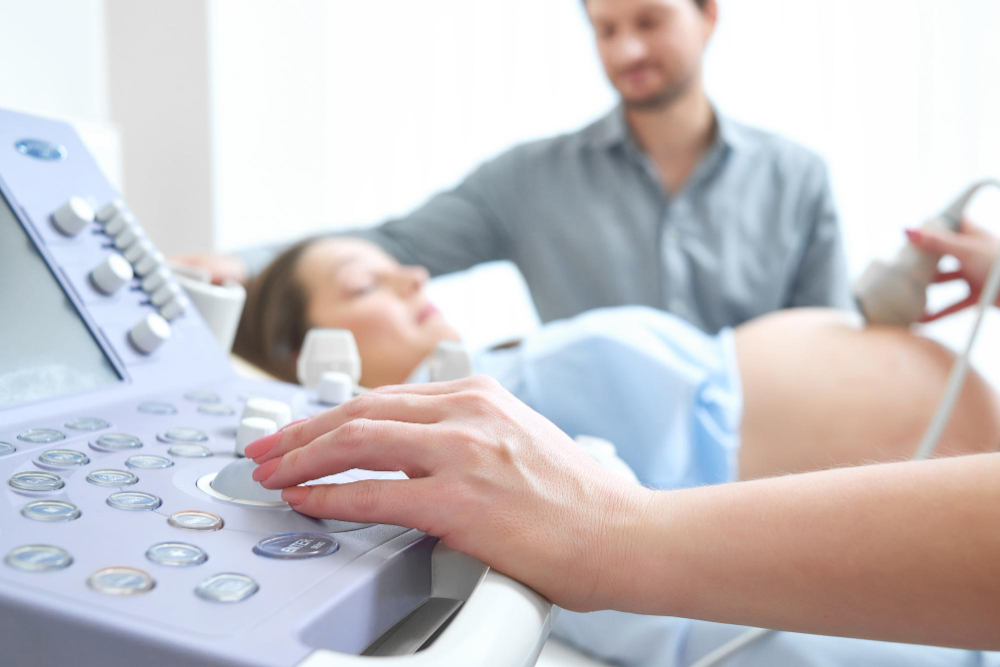
Doctors use several methods to diagnose oligohydramnios. First, they may measure your belly to check the baby’s growth. If they suspect low amniotic fluid, they will order an ultrasound. This test shows the amount of fluid around the baby. The most common way to measure is called the Amniotic Fluid Index (AFI). If the AFI is low, you may have oligohydramnios. Sometimes, doctors use another test called the single deepest pocket. Both tests help confirm the diagnosis. According to the CDC and WHO, these methods are safe and reliable.
Treatment Options
Treatment for oligohydramnios depends on how far along you are and how severe the condition is. Your doctor will create a plan that fits your needs. Common oligohydramnios treatment options include:
Because every pregnancy is unique, your doctor will discuss the best treatment for you.
Prevention and Lifestyle Tips
While not all cases can be prevented, some steps may lower your risk. For example, you can:
Because early action can help, always talk to your doctor about any concerns.
When to See a Doctor
If you notice any of the following, contact your doctor right away:
Even if you feel fine, regular check-ups help catch problems early. Therefore, do not skip prenatal visits.
Conclusion and Next Steps
Oligohydramnios can be a serious condition, but early care makes a big difference. Because every pregnancy is different, your doctor will guide you through the best steps. If you have questions or notice changes, do not wait. Consult a healthcare provider for personalized advice about oligohydramnios.