Introduction: What Is Laparoscopy in Fertility?
Laparoscopy in fertility is a minimally invasive surgery. Doctors use it to look inside the abdomen and pelvis. This helps them find and treat problems that may cause infertility. Many fertility clinics near you offer this advanced procedure. Because it uses small cuts, recovery is often quicker than with open surgery. For couples facing infertility, laparoscopy can be an important step in finding answers and improving chances of pregnancy.
When Is Laparoscopy Considered in Fertility?
Doctors may suggest laparoscopy for infertility when other tests do not explain the cause. Sometimes, certain symptoms or conditions make laparoscopy helpful. For example, if you have ongoing pelvic pain or irregular periods, your doctor may recommend it. In addition, women with a history of infections or endometriosis may benefit from this procedure.
Causes and Indications for Laparoscopy in Fertility Treatment
Laparoscopy for infertility helps doctors find hidden causes of fertility problems. Sometimes, issues like scar tissue or small growths are not seen on regular scans. Therefore, laparoscopy is useful when:
Because laparoscopy is both a diagnostic and treatment tool, it can help improve fertility in many cases.
Diagnosis: How Laparoscopy Helps Find Fertility Issues
Laparoscopy in fertility allows doctors to see the uterus, ovaries, and fallopian tubes directly. As a result, they can spot problems that may block pregnancy. For instance, they can find and treat endometriosis, remove scar tissue, or open blocked tubes. Sometimes, laparoscopy is the only way to find these hidden issues. This makes it a valuable part of fertility care.
The Laparoscopy Procedure: What to Expect
Before the Procedure
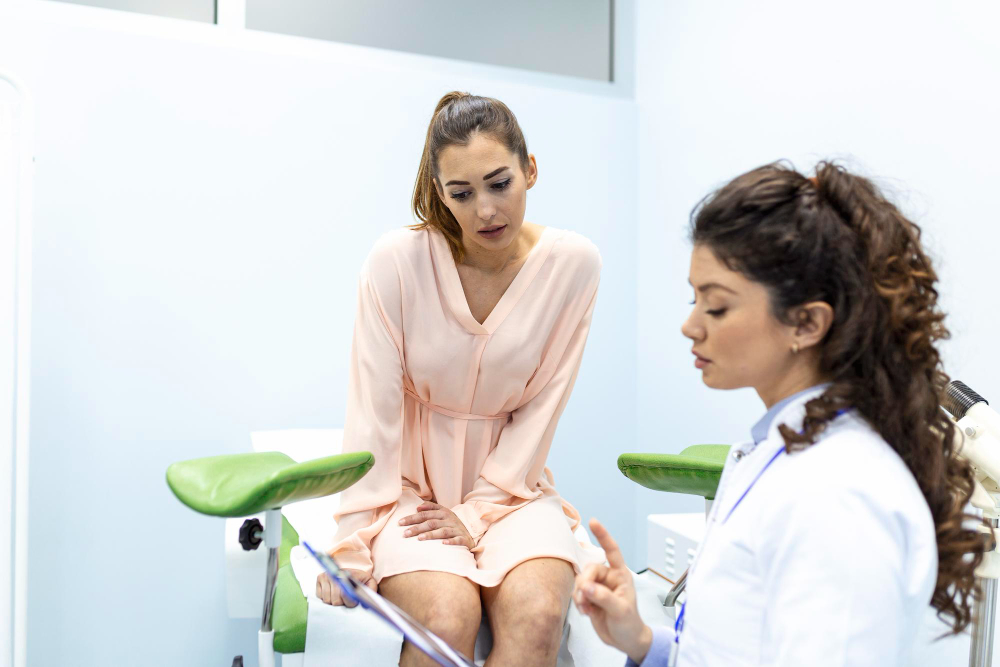
Before laparoscopy, your doctor will explain the process and answer questions. You may need some blood tests. In most cases, you should not eat or drink for several hours before surgery. Your doctor will give you clear instructions.
During the Procedure
During laparoscopy, you will be under general anesthesia, so you will not feel pain. The surgeon makes a small cut near the belly button. Then, a thin tube with a camera is inserted. Sometimes, more small cuts are made for other tools. The doctor looks for problems and may treat them right away.
After the Procedure
After surgery, you will rest in a recovery area. Most people go home the same day. You may feel some pain or bloating, but this usually gets better in a few days. Your doctor will tell you when you can return to normal activities.
Benefits and Risks of Laparoscopy in Fertility
Benefits
Risks
Although risks exist, laparoscopy for infertility is generally safe. Most people recover well with few problems.
Recovery and Lifestyle Guidance After Laparoscopy
After laparoscopy, most people recover quickly. However, it is important to rest for a few days. You may feel tired or have mild pain. In addition, avoid heavy lifting or intense exercise until your doctor says it is safe. Most people return to work within a week. Eating light meals and staying hydrated can help you feel better. If you notice fever, severe pain, or heavy bleeding, contact your doctor right away.
Prevention and When to Consult a Specialist
While you cannot always prevent fertility problems, early care can help. If you have trouble getting pregnant after a year of trying, see a fertility specialist. Also, if you have pelvic pain, irregular periods, or a history of infections, do not wait to seek help. Early diagnosis and treatment, such as minimally invasive fertility treatment, can improve your chances of success.
Conclusion
Laparoscopy in fertility is a safe and effective way to find and treat causes of infertility. It offers many benefits, including quick recovery and better chances of pregnancy. If you have concerns about your fertility, consult a fertility specialist for personalized advice.