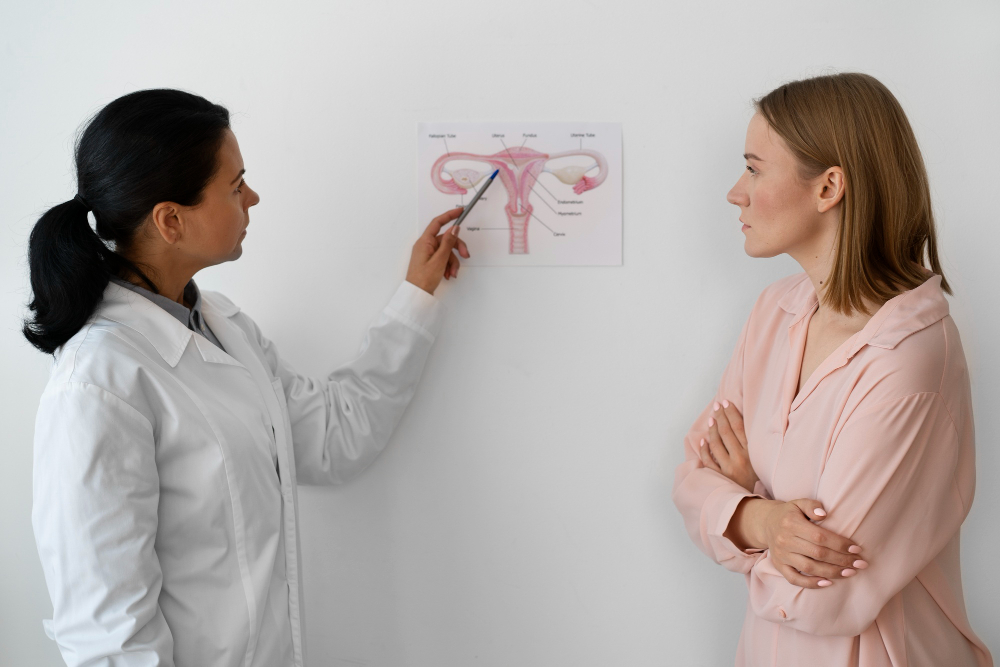
Ovarian stimulation in IVF is a key step in the fertility treatment process. It helps women produce more eggs for in vitro fertilization (IVF). Because more eggs can increase the chances of a successful pregnancy, this step is very important. In this blog, you will learn what ovarian stimulation in IVF is, how it works, and what to expect during the process.
What Is Ovarian Stimulation in IVF?
Ovarian stimulation in IVF means using medicines to help the ovaries make more eggs than usual. Normally, a woman releases one egg each month. However, with stimulation, the goal is to produce several eggs at once. This gives doctors more options to choose the healthiest eggs for fertilization. As a result, the chances of a successful IVF cycle improve.
Why Is Ovarian Stimulation Important in IVF?
Ovarian stimulation is important because it increases the number of eggs available for IVF. With more eggs, there is a better chance of finding healthy ones. This can lead to higher pregnancy rates. In addition, it allows doctors to freeze extra embryos for future use. Therefore, ovarian stimulation is a key part of most IVF treatments.
How Does Ovarian Stimulation Work?
The process of ovarian stimulation in IVF involves several steps. Here is a simple outline:
Each step is closely monitored to ensure safety and the best results.
Common Medications Used
Several medications are used during ovarian stimulation in IVF. Each one has a specific role:
Doctors choose the right mix of medications based on your needs.
Possible Side Effects and Risks
Like any medical treatment, ovarian stimulation in IVF can have side effects. Most are mild and go away on their own. Common side effects include:
In rare cases, a condition called ovarian hyperstimulation syndrome (OHSS) can occur. This causes the ovaries to swell and can be serious. However, doctors monitor you closely to prevent and manage these risks. Always tell your doctor if you feel unwell during treatment.
What to Expect During the Process
During ovarian stimulation, you will visit the clinic often for blood tests and ultrasounds. These visits help doctors adjust your medication as needed. You may need to give yourself daily injections at home. Although this may sound scary, nurses will teach you how to do it safely. Most women can continue their normal activities, but it is wise to avoid heavy exercise. If you have questions, your care team is there to help.
Tips for a Smoother Experience
Here are some tips to help you through ovarian stimulation in IVF:
With these steps, you can make the process more comfortable and less stressful.
Frequently Asked Questions
Is ovarian stimulation painful?
Most women feel only mild discomfort, such as bloating or soreness. The injections may sting a little, but the pain is usually mild and short-lived.
How long does ovarian stimulation take?
The process usually lasts 8 to 14 days. However, the exact length depends on how your body responds to the medication.
Can I work during ovarian stimulation?
Yes, most women can continue working. However, you may need to take time off for clinic visits or if you feel unwell.
Are there long-term risks?
Serious long-term risks are rare. Most side effects go away after treatment ends. Your doctor will discuss any concerns before you start.
Conclusion and Next Steps
Ovarian stimulation in IVF is a safe and effective way to help women produce more eggs for fertility treatment. While the process may seem complex, your care team will guide you every step of the way. If you are considering IVF or have questions about ovarian stimulation, consult a fertility specialist for personalized guidance on ovarian stimulation in IVF.