Introduction
Laparoscopic hysterectomy is a minimally invasive surgery to remove the uterus. Doctors use small cuts and a camera to perform this procedure. Because of this, many women choose it over traditional open surgery. Often, it helps treat conditions like heavy bleeding, fibroids, or pain. In this blog, you will learn about the laparoscopic hysterectomy procedure, its benefits, risks, and recovery tips.
Indications: When Is Laparoscopic Hysterectomy Recommended?
Doctors may suggest a laparoscopic hysterectomy for several reasons. Usually, it is recommended when other treatments do not work. Some common reasons include:
Sometimes, doctors also recommend this surgery for other health problems. However, your doctor will decide if it is right for you.
Procedure Overview: Step-by-Step Explanation
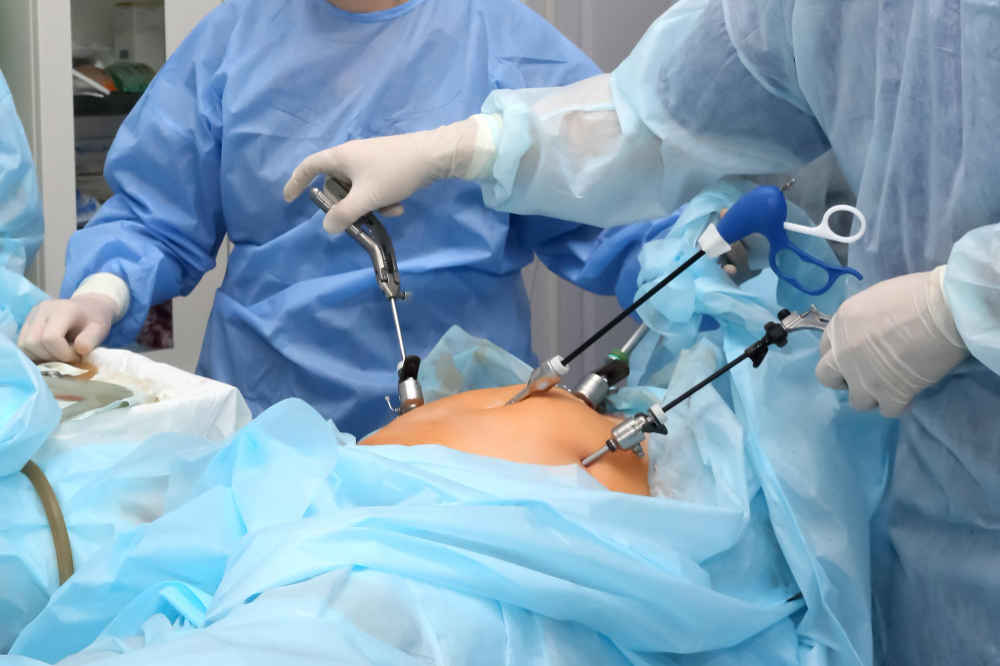
First, you will receive anesthesia, so you sleep during the surgery. Next, the surgeon makes a few small cuts in your belly. Through one cut, a thin tube with a camera (laparoscope) is inserted. This camera helps the doctor see inside your body. Then, special tools are put in through the other cuts. The surgeon carefully removes the uterus, and sometimes the ovaries or fallopian tubes if needed. Finally, the cuts are closed with stitches or glue. Most patients go home the same day or after one night.
Benefits of Laparoscopic Hysterectomy
Laparoscopic hysterectomy offers many advantages over open surgery. For example, it uses smaller cuts, which means less pain and faster healing. Some main benefits include:
Because of these benefits, many women prefer this minimally invasive hysterectomy.
Risks and Possible Complications
Although laparoscopic hysterectomy is safe, every surgery has risks. Some possible complications include:
However, serious problems are rare. Your doctor will discuss these risks with you before the procedure.
Recovery Process and Aftercare
After surgery, you may feel tired or have mild pain. Most women return home within 24 hours. To help your recovery, follow these tips:
Usually, you can return to normal activities in two to four weeks. However, always ask your doctor before resuming exercise or work.
Frequently Asked Questions (FAQs)
Conclusion
Laparoscopic hysterectomy is a safe and effective way to treat many gynecological problems. Because it is minimally invasive, recovery is often faster and easier. However, every patient is different. Consult a gynecologist for personalized advice.