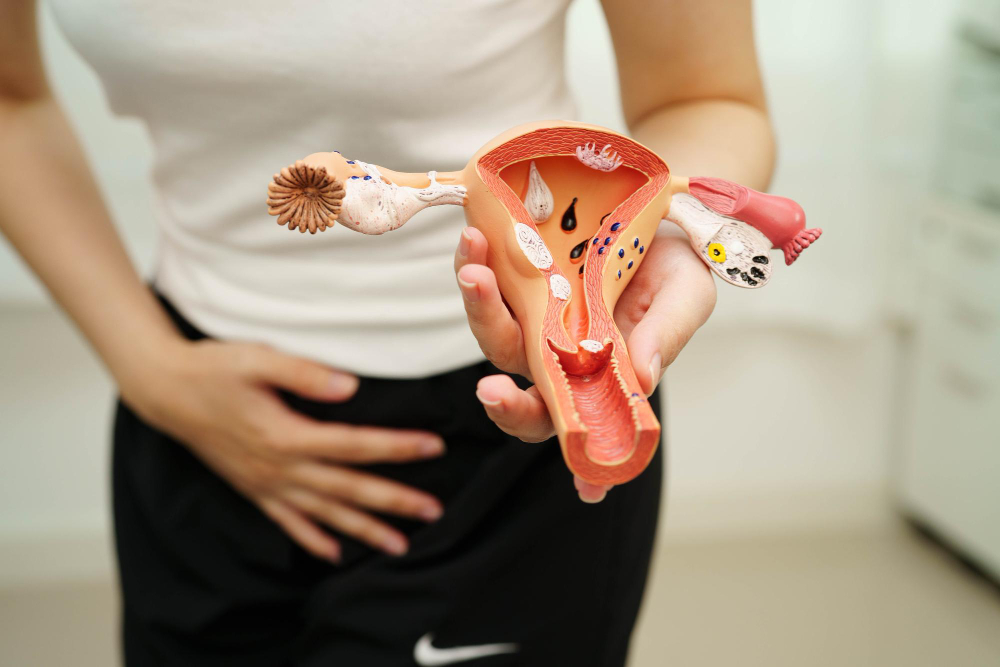
What Is Ovarian Torsion?
Ovarian torsion is a medical emergency. It happens when an ovary twists around the tissues that support it. Because of this twist, blood flow to the ovary can slow down or stop. As a result, the ovary may not get enough oxygen. This can cause pain and damage to the ovary. Ovarian torsion is rare, but it needs quick treatment. Early care can help save the ovary and prevent problems.
Symptoms of Ovarian Torsion
Knowing the signs of ovarian torsion is important. Symptoms often come on suddenly. However, they can also start slowly. Common symptoms include:
Sometimes, the pain may spread to the back or thigh. If you notice these signs, seek medical help right away. Quick action can make a big difference.
Causes and Risk Factors
Ovarian torsion can happen to women of any age. Still, some factors raise the risk. For example, having an ovarian cyst or mass makes torsion more likely. Other risk factors include:
Even so, ovarian torsion can happen without any clear cause. Therefore, it is important to know the symptoms.
How Is Ovarian Torsion Diagnosed?
Doctors use several steps to find out if you have ovarian torsion. First, they ask about your symptoms and health history. Next, they do a physical exam. After that, they may order tests. Common tests include:
Even with tests, ovarian torsion can be hard to confirm. Sometimes, doctors only know for sure during surgery. Still, early diagnosis is key. Quick treatment can help save the ovary. (Source: CDC, PubMed)
Treatment Options for Ovarian Torsion
Ovarian torsion treatment options depend on how severe the problem is. However, surgery is almost always needed. The main goal is to untwist the ovary and restore blood flow. Treatment steps may include:
Doctors try to save the ovary whenever possible. Early treatment gives the best chance for a full recovery.
Prevention and Lifestyle Guidance
There is no sure way to prevent ovarian torsion. Still, you can lower your risk by:
Although you cannot control all risk factors, staying aware of your body helps. Early action can prevent serious problems.
When to See a Doctor
If you have sudden, severe lower belly pain, see a doctor right away. Especially if the pain comes with nausea, vomiting, or fever, do not wait. Ovarian torsion is an emergency. Fast care can help save your ovary and prevent more harm.
Frequently Asked Questions
Conclusion and Next Steps
Ovarian torsion is a serious condition. However, knowing the signs and acting fast can help. If you have sudden pelvic pain, seek help right away. Early treatment can save your ovary and protect your health. Consult a gynecologist or healthcare provider for personalized advice about ovarian torsion.