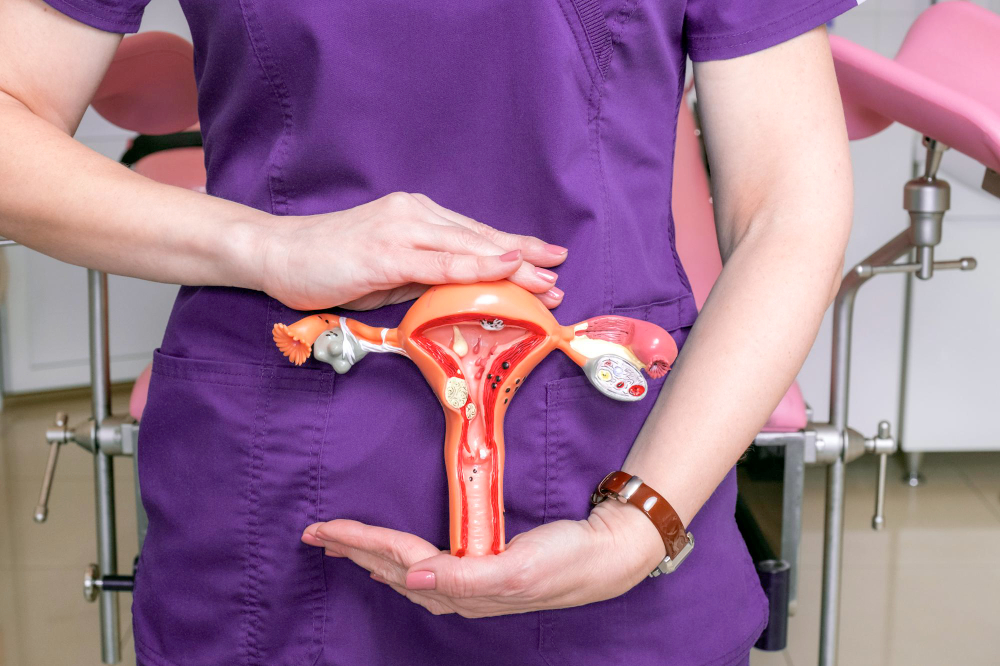
What is Pelvic Organ Prolapse?
Pelvic organ prolapse happens when the muscles and tissues in the pelvis become weak. As a result, organs like the bladder, uterus, or rectum may drop or press into the vagina. This condition is more common in women, especially after childbirth or menopause. Although it can be uncomfortable, pelvic organ prolapse is treatable. Early care can help you feel better and prevent further problems.
Common Symptoms
Many people with pelvic organ prolapse notice changes in how their body feels. However, symptoms can vary from person to person. For example, some women may not have any symptoms at all. Others may feel discomfort or pressure. Common pelvic organ prolapse symptoms include:
Sometimes, symptoms get worse after standing for a long time or lifting heavy objects. If you notice any of these signs, it is important to talk to your doctor.
Causes and Risk Factors
Pelvic organ prolapse can happen for several reasons. Most often, it is due to weakened pelvic muscles and tissues. But, certain factors can increase your risk. These include:
While you cannot control all risk factors, you can take steps to lower your risk. For instance, staying at a healthy weight and avoiding heavy lifting can help.
Diagnosis Methods
Doctors use several methods to diagnose pelvic organ prolapse. First, your doctor will ask about your symptoms and medical history. Next, a physical exam is done. During this exam, the doctor checks for bulges or changes in the vagina. Sometimes, special tests are needed. These may include:
Early diagnosis helps you get the right treatment. Therefore, do not wait to seek help if you have symptoms.
Treatment Options
Treatment for pelvic organ prolapse depends on how severe your symptoms are. In many cases, simple lifestyle changes can help. However, some people may need medical procedures. Common treatment options include:
Lifestyle Changes
Medical Interventions
Your doctor will help you choose the best treatment for your needs. Sometimes, a combination of treatments works best.
Prevention Tips
While not all cases can be prevented, you can lower your risk of pelvic organ prolapse. Try these tips:
Even small changes can make a big difference over time. Therefore, start with one or two tips and build healthy habits.
When to See a Doctor
If you notice symptoms of pelvic organ prolapse, do not ignore them. Early care can prevent the problem from getting worse. See a doctor if you:
Remember, your doctor can help you find relief and improve your quality of life.
Consult a healthcare specialist for personalized advice on pelvic organ prolapse.