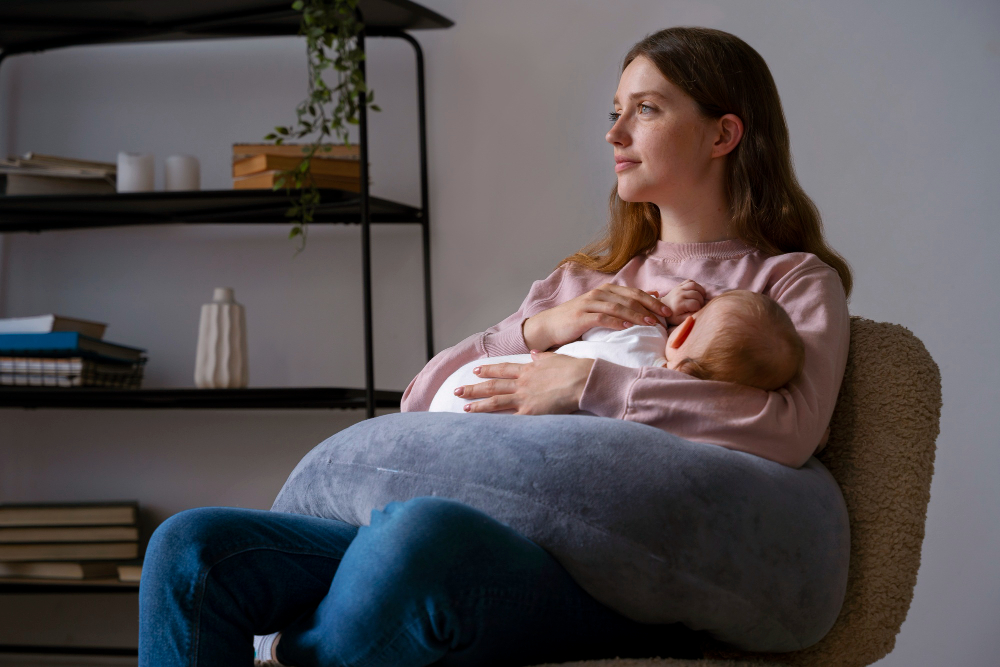
What is Postpartum Hypertension?
Postpartum hypertension means high blood pressure after childbirth. It can develop within days or even weeks after delivery. While many women expect blood pressure to return to normal after giving birth, sometimes it stays high or rises again. This condition can affect women in the US and around the world. Because it can be serious, knowing the signs and how to manage postpartum hypertension is important for new mothers and their families.
Common Symptoms
Postpartum hypertension may not always cause clear symptoms. However, some women notice changes in their bodies. For example, you might feel:
Sometimes, these symptoms can be mild at first. But if they get worse, you should seek help right away.
Causes and Risk Factors
There are several reasons why postpartum hypertension may develop. Some women had high blood pressure during pregnancy, while others did not. Still, certain factors can increase your risk. For instance, you may be more likely to develop high blood pressure after childbirth if you:
Even if you had normal blood pressure before, you can still develop postpartum hypertension. Therefore, regular postpartum care is important for all new mothers.
How is Postpartum Hypertension Diagnosed?
Doctors diagnose postpartum hypertension by checking your blood pressure. Usually, they use a blood pressure cuff on your arm. If your reading is 140/90 mmHg or higher, you may have high blood pressure. In addition, your doctor may order blood tests or urine tests. These tests help check for organ problems or other health issues. Sometimes, doctors may also ask about your symptoms and medical history. Early diagnosis helps prevent serious problems.
Treatment Options
Treating postpartum hypertension is important for your health. Your doctor may suggest:
Sometimes, you may need to stay in the hospital for close monitoring. But most women can manage postpartum hypertension at home with proper care. Always follow your doctor’s advice when managing postpartum hypertension.
Prevention Tips
While you cannot prevent all cases, you can lower your risk. For example, you can:
Because early action helps, talk to your doctor if you have any concerns about high blood pressure after childbirth.
When to Seek Medical Help
Sometimes, postpartum hypertension can become an emergency. You should call your doctor or go to the hospital if you have:
These symptoms may mean your blood pressure is very high or your organs are affected. Quick treatment can prevent serious problems like stroke or seizures.
If you notice symptoms of postpartum hypertension, consult a healthcare specialist for personalized advice.